

The COVID-19 pandemic has dramatically reshaped the marketing landscape worldwide, propelling businesses into uncharted digital territories and forcing rapid adaptations. As we navigate the post-pandemic era, it’s clear that the marketing strategies that once worked are now obsolete. Here’s a look at how marketing has transformed globally and a closer look at the unique shifts within the South African market.
Global Marketing Trends Post-COVID-19
Accelerated Digital Transformation:
Before the pandemic, digital marketing was already on an upward trajectory, but COVID-19 accelerated this trend exponentially. With lockdowns and social distancing measures, consumers moved online for shopping, entertainment, and communication. Brands quickly followed suit, enhancing their digital presence, investing in e-commerce, and utilizing social media to maintain engagement.
E-commerce Boom:
E-commerce saw unprecedented growth during the pandemic. According to a report by the United Nations Conference on Trade and Development (UNCTAD), global e-commerce sales jumped to $26.7 trillion in 2020, highlighting the massive shift towards online shopping. Businesses that had robust e-commerce platforms thrived, while those slow to adapt faced significant challenges.
Emphasis on Authenticity and Social Responsibility:
Consumers have become more discerning, favouring brands that demonstrate authenticity and social responsibility. The pandemic heightened awareness around various social issues, and brands that contribute positively to society are being rewarded with customer loyalty. Transparent communication and corporate social responsibility initiatives have become crucial components of successful marketing strategies.
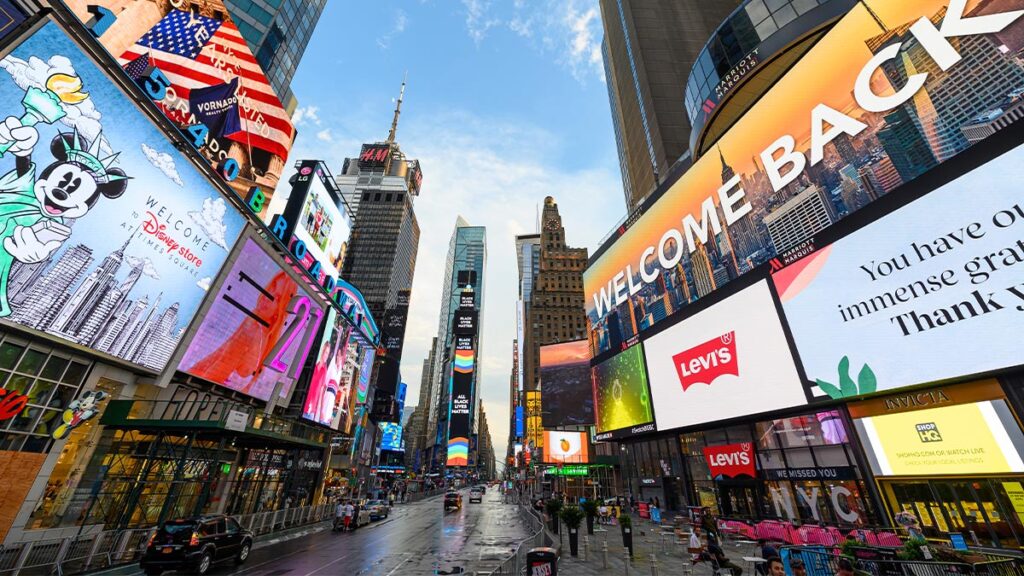
Read The 10 Truths About Marketing After The Pandemic
Data-Driven Marketing:
The pandemic underscored the importance of data in understanding consumer behaviour. Businesses have doubled down on data analytics to tailor their marketing efforts, ensuring they meet the evolving needs and preferences of their audience. Personalized marketing, driven by data insights, has become the norm.
Hybrid Experiences:
With physical events cancelled or restricted, virtual events took centre stage. Now, as the world reopens, a hybrid model combining both virtual and in-person experiences is emerging. This model caters to broader audiences and offers flexibility, making it a popular choice for future marketing initiatives.
The South African Marketing Landscape
South Africa, like the rest of the world, has witnessed significant changes in its marketing landscape due to COVID-19. Here are some key developments:
1. Digital Leapfrogging:
South Africa has seen a rapid adoption of digital technologies, often referred to as “digital leapfrogging.” Businesses, including small and medium enterprises (SMEs), have embraced digital tools to survive and thrive. This shift has been critical in a country where traditional retail faced severe disruptions.
2. Mobile-First Approach:
With a high mobile penetration rate, South African consumers rely heavily on their smartphones for internet access. Brands have optimized their digital marketing strategies to be mobile-first, ensuring that websites, advertisements, and social media content are mobile-friendly and easily accessible.
3. Rise of E-commerce:
E-commerce in South Africa has experienced remarkable growth. The pandemic prompted many consumers to shop online for the first time, and this trend shows no signs of slowing down. Companies like Takealot and Superbalist have seen significant increases in sales, underscoring the shift towards online retail.
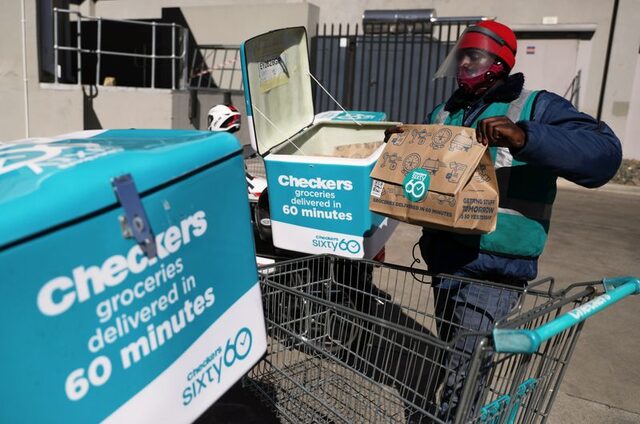
Click Here to Learn More About the rise of E-Commerce in South Africa
4. Focus on Local and Authentic Brands:
South African consumers are increasingly supporting local businesses. There’s a growing preference for locally produced goods, which has been amplified by supply chain disruptions and a desire to support the local economy. Brands that highlight their South African roots and cultural relevance are gaining traction.
5. Social Media Influence:
Social media platforms have become pivotal in reaching South African audiences. Influencer marketing, in particular, has gained momentum, with local influencers playing a crucial role in shaping consumer opinions and driving engagement. Platforms like Instagram and TikTok are particularly popular, offering brands innovative ways to connect with younger demographics.
Conclusion
The post-COVID-19 marketing landscape is markedly different from the pre-pandemic era. The global shift towards digital, the rise of e-commerce, the emphasis on authenticity, and the importance of data-driven strategies are defining the new normal. In South Africa, the digital leap, mobile-first approach, e-commerce growth, local brand preference, and social media influence are key trends shaping the market.
Businesses that adapt to these changes and leverage the opportunities presented by this new landscape will thrive. The pandemic has taught us that flexibility and innovation are essential in navigating the ever-evolving world of marketing. As we move forward, staying attuned to these trends will be crucial for success in the dynamic post-pandemic market.
Click Here To Read More of Three66 Media Blogs